Romanticism expressed in brick, wood, and soaring form
While the strong vertical emphasis of many Bay-and-Gable houses can reflect Gothic influence — particularly when accompanied by pointed arch openings such as those found on Amelia Street — Cabbagetown is also home to several striking examples of pure Gothic Revival domestic architecture dating from the same late-19th-century period.
Rooted in the Romantic Movement of the mid-1800s, Gothic Revival architecture looked back to medieval European forms for inspiration, embracing picturesque composition, expressive detailing, and a sense of visual drama. In contrast to the classical restraint of earlier Georgian homes, Gothic Revival celebrated asymmetry, verticality, and ornate craftsmanship, creating buildings that felt both imaginative and deeply rooted in historical precedent.
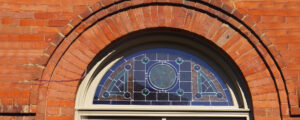
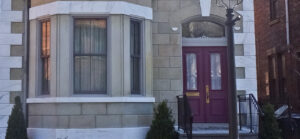
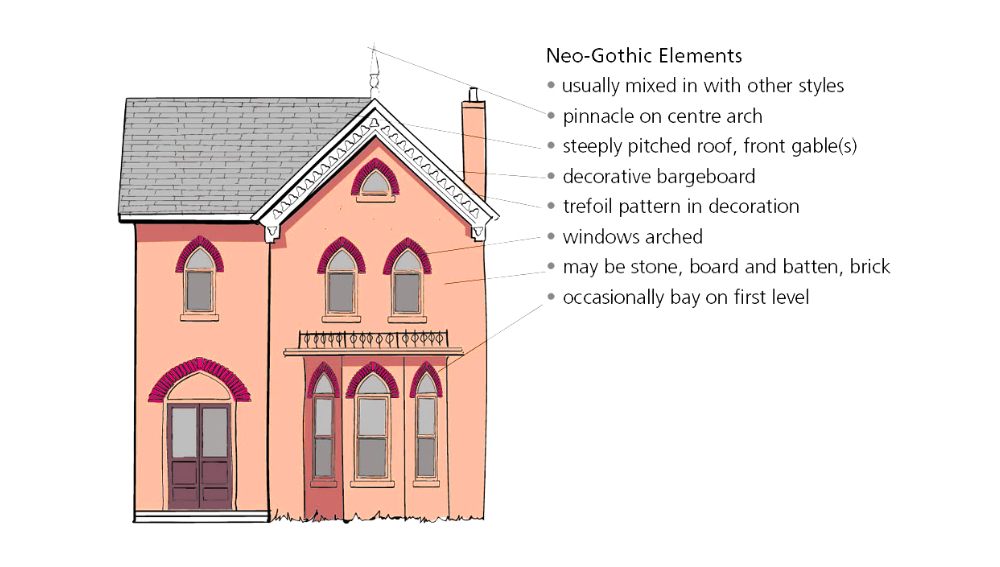
In residential form, Gothic Revival houses are often distinguished by steeply pitched roofs, pointed or lancet-arched windows and doorways, decorative vergeboard (bargeboard) along gables, and intricate wood trim. Tall, narrow proportions reinforce the upward movement of the façade, while carefully placed ornamentation adds richness and texture. Even in modest examples, the style conveys a sense of romance and individuality, with each house presenting a unique composition of forms and details.
The style’s emphasis on craftsmanship and expressive detailing aligned well with the aspirations of late-Victorian Toronto, where homeowners sought architectural distinction and visual character. In Cabbagetown, Gothic Revival houses contribute an important layer to the neighbourhood’s architectural diversity, standing out for their sculptural silhouettes and finely worked decorative elements.
Notable examples include:
-
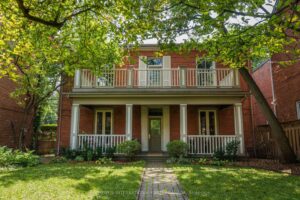
Several fine examples along Rose Avenue
Together, these homes illustrate the enduring appeal of Gothic Revival architecture and its role in shaping the richly textured Victorian streetscapes that define Cabbagetown today.